Phone:
+86-0769-26261265

 WeChat
  |


| Quantity: | |
|---|---|

Product Introduction

Singway uses high-purity Yunnan Tin Electrolysis 1# tin raw material, under strict quality control conditions, through vacuum deoxygenation treatment, uniform casting process, effectively control the degree of oxidation and metal impurity content. Tin has high purity and strong oxidation resistance
The surface of the solder strip is smooth and bright, the liquid surface after melting is bright and the oxidized slag
residue rarely occurs, which is suitable for various wave soldering, selective welding and manual welding with high wave soldering quality requirements.
Basic Info.
product name | 63ALead solder bar | brand | singway |
Model NO. | 6337 | Material | Sn63Pb37 |
Shape | Strip, stick | Melting Point | 183±2℃ |
Individual strip weight | About 0.72kg/ piece | Packaging | 20kg/box |
| Tin degree | 63±1° | Origin | China |
Product Specifications

Product Features

The solder joint is full without collapse

Good weldability

High antioxidant

High purity tin

The yield of straight through rate is more than 95%

Less tin slag

Increase productivity

High reliability
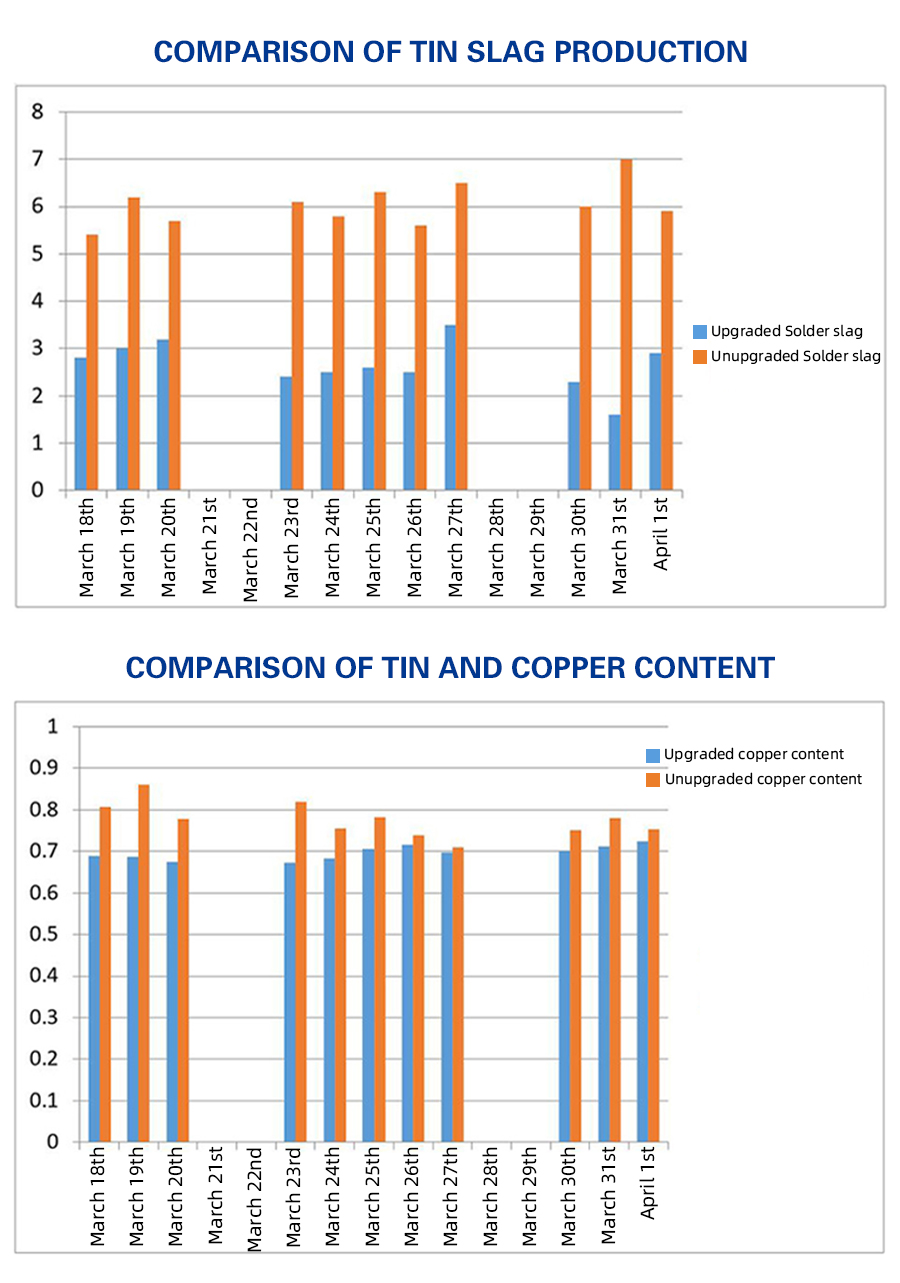
DESCRIPTION NOTES: In the same process conditions, the temperature at which the operation takes place is 265℃, while the speed at which the chain moves is 90cm/min. The temperature remains the same, but the original chain speed has increased from 70 cm/min to 90cm/min. Based on the analysis of the principle, this acceleration in chain speed has resulted in improved solder fluidity. As a result, the immersion time is shorter and the temperature of the tin furnace has decreased. Consequently, working at lower temperatures leads to reduced tin slag and less copper corrosion.
Wide range of uses
Widely used in high-grade electronic products or high requirements of electronic, electrical industrial products, smart home, security products LED energy-saving lamps, mobile phones, computer motherboards and other products.
Mainly used for reflow welding, wave soldering, hand immersion furnace welding process.