Phone:
+86-0769-26261265

 WeChat
  |


| Quantity: | |
|---|---|
Product Introduction
Singway produces 40A lead solder wire with an alloy ratio of SN40%Pb 60%made of high purity Yunnan pure tin raw materials. This solder wire welding smoke is small, small smell, and good wettability, bright solder joints, easy to tin.

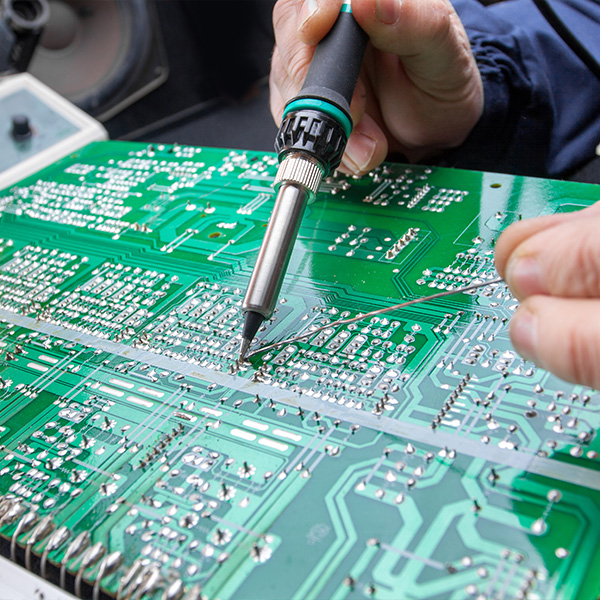
Singway manufactures 40A lead solder wire using a Sn40Pb60 alloy, crafted from high-purity Yunnan pure tin materials. Our solder wire emits minimal smoke and odor, ensuring a comfortable working environment. It boasts excellent wettability, swiftly adhering to surfaces and ensuring uniform, high-quality welds. The alloy's exceptional plasticity facilitates effortless processing and molding, catering to diverse welding requirements and intricate joint configurations. Achieve bright, reliable solder joints effortlessly with our Sn40Pb60 solder wire, ideal for enhancing welding efficiency and precision.
Basic Info.
product name | lead solder wire Sn40Pb60 | brand | singway |
Model NO. | 4060 | Material | Sn40Pb60 |
Melting Point | 183±2℃ | flux | 2.0%-4.0% |
Specific gravity | 9.28±0.1g/cm3 | Diameter of the line | 0.5-4.0MM |
Shape | filiform | Single Volume Heavy | 200 g/roll |
Packaging | 10 rolls/case | Carton Packaging | 33.8*16*6cm |
Product use | Welding of electronic components | Origin | China |
Product Specifications
| Solder wire specification | Type of solder wire | ||||
Ingredient (WT%) | Flux-cored solder wire | Solid core solder wire | Wash free solder wire | Three-and five-core porous solder wire | |
Sn60Pb40 | √ | √ | √ | √ | √ |
| Sn55Pb45 | √ | √ | √ | √ | √ |
| Sn50Pb50 | √ | √ | √ | √ | √ |
| Sn45Pb55 | √ | √ | √ | √ | √ |
Sn40Pb60 | √ | √ | √ | √ | √ |
Product Features

Easy tinning

Solid solder joint

High pureness

Fast welding speed

Good liquidity

no-clean

Uniform tinning

Low spatter
Product specification
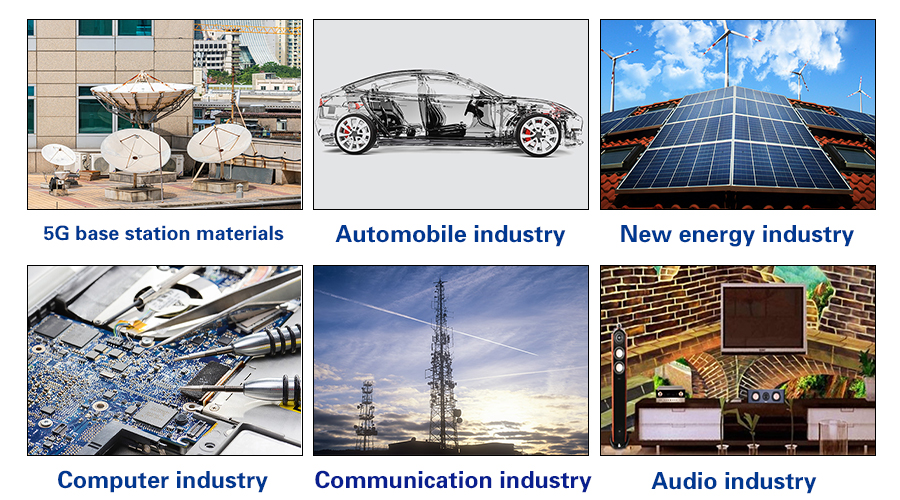
Various thickness diameter, solder wire models are complete, suitable for computers, mobile phones, instruments, household appliances, electronic products and components maintenance.

Product Advantage

Applicable to the industry
 Service Capability
Our dedication lies in assisting businesses in resolving issues such as sluggish tin loading, frying tin, and tin slag among others.

Supply stability

Factory direct sales
Technical strength