| Availability: | |
|---|---|
| Quantity: | |

Product Introduction
Singway produces lead-free welding wires containing 0.3% silver, which are superior in conductivity and ductility to traditional tin-copper alloys, and are high-end welding wires. During brazing, it provides excellent solder joint continuity, does not sputter, and leaves little residue. This welding wire is suitable for computer board, automobile industry, intelligent control and other fields, whether it is automatic welding machine or manual welding operation, it can meet the high quality requirements. Our welding wires emit very little smoke and do not contain harmful volatile gases, ensuring the safety and health of users. It is the ideal choice for reliable and efficient welding in industries where quality is highest.
Why choose porous tin wire:
1. Quick welding
2. High purity is shown to reduce the variability of molten solder
3. Low residue
4. Increase productivity and reliability
Basic Info.
product name | 0.3 Silver solid core solder wire | brand | singway |
Model NO. | 9901 | Material | Sn99Ag0.3Cu0.7 |
Melting Point | 227℃ | flux | Solid core |
Specific gravity | 7.31±0.1 g/cm3 | Diameter of the line | 0.4-4.0MM |
Shape | filamentous | Packaging | 10 rolls/case |
| Product use | Home appliances and automobile industry | Origin | Dongguan,China |
Product Specifications
Model NO. | Ingredient (WT%) | Melting Point(℃) | Diameter of the line | flux |
990 | Sn99Ag0.3Cu0.7 | 227 | 0.4MM~4.0MM | Solid core |
| 9901 | Sn99Ag0.3Cu0.7 | 227 | Flux-cored |
Eight Core Product Features

Solder and melt tin quickly

No-clean

Boost conductivity

Low splash

Less smoke

Low residue

Increase productivity

High ductility
Product specification

Product Advantage
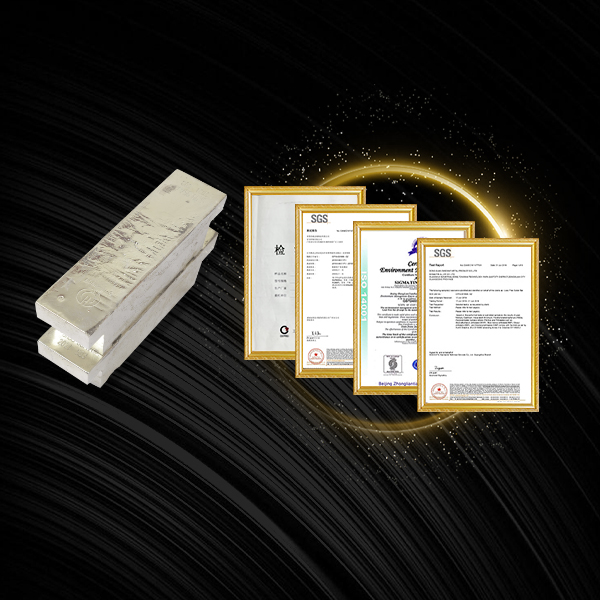
Select pure tin with high purity above 99.95
Strictly according to the national standard production
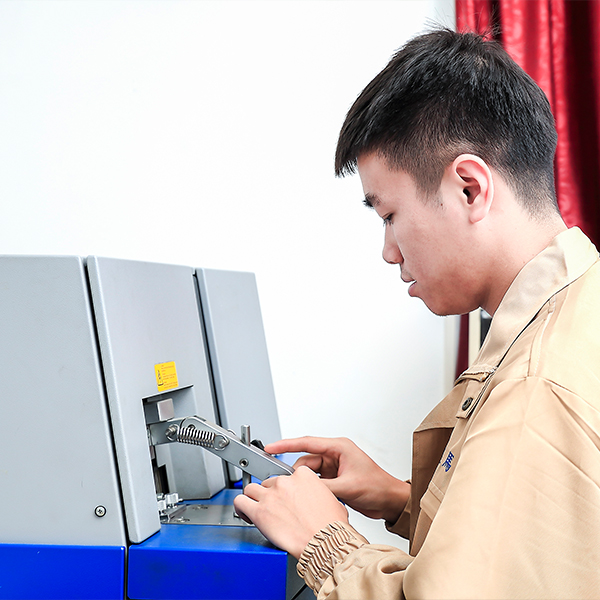
MORE THAN 10 INSPECTION PROCEDURES
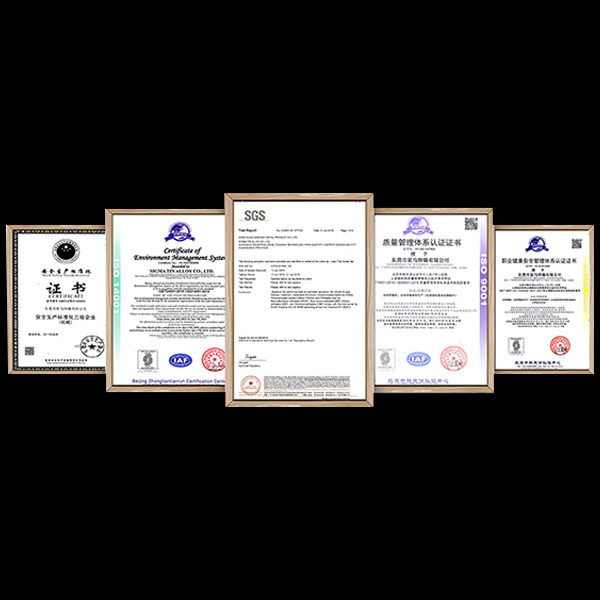
FOUR QUALITY SYSTEM CERTIFICATION
Scope of application:
The Singway range of soldering wires is perfect for both automatic soldering machines and manual soldering irons, meeting the highest quality standards. Solder wire products are widely used in high-end electronic products, precision electronic instruments, printed lines, micro technology, aviation industry and coated metal brazing. Electronic products, Home appliances, automotive electronics, Industrial appliances, Fuses, Lighting and hardware products.

Service Capability
01 Direct Supply From Manufacturers
Self-produced and self-marketing,complete categories.
02 Steady Supply
Strong capacity guarantee,standing stock sufficient guarantee delivery time.
04 Pre-sale And Post-sale service
One-to-one value-added service.

Lead-Free Solder Wire With the widespread adoption of automatic soldering and automated welding equipment, the requirements for solder wire used in new energy connectors are increasingly high. The soldering stability, electrical conductivity, and environmental compliance of lead-free solder wire
Lead-Free Wave Soldering Bars During wave soldering, “excessive solder dross” has always been one of the most headaches for electronics manufacturing companies. Not only does it increase production costs, but it also affects soldering stability and product yield. Therefore, more and more companies
Solder Wire for High-Voltage Connectors in New Energy VehiclesSINGWAY Solder Wire, a professional manufacturer with over a decade of experience in the soldering industry, has long served clients in sectors such as high-voltage connectors for new energy vehicles (NEVs), lithium battery control boards
High-Reliability Solder WireLead-free solder, also known as environmentally friendly solder, plays a critical role in electronics manufacturing. With rapid advancements in aerospace, military electronics, and precision connectors, high-reliability soldering materials are becoming an essential standa
Solder bars and rods are core auxiliary materials for electronic wave soldering production. The quality of lead-free solder bars, lead-free wave soldering bars, and wave soldering bars directly determines production line stability, first-pass yield, and solder dross loss rate. Many electronics facto
Solder bridging after wave soldering is a common issue in the soldering process. When bridging occurs, the first thought is often: Is the wrong solder bar being used? Should we adjust the solder bar type or switch to another solder bar supplier? Or should we consider whether the flux type is compati